Achieving 95% Parent Satisfaction: A Communication Strategy Case Study
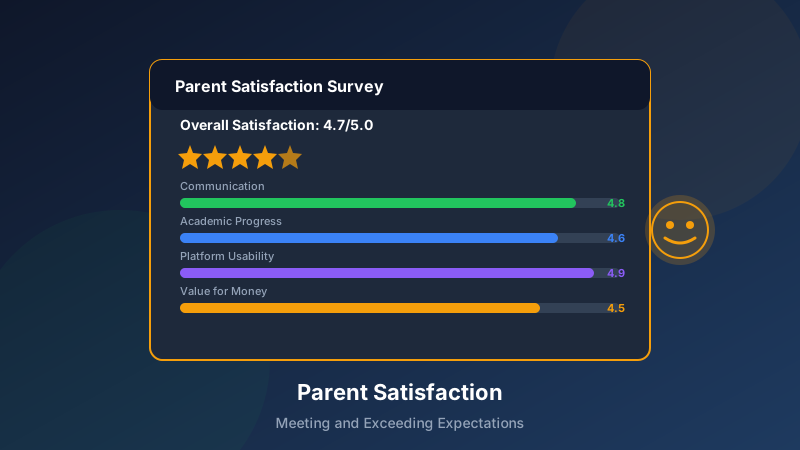
When Bright Horizons Learning Center surveyed parents in early 2024, satisfaction scores averaged just 68%. By implementing a comprehensive communication transformation, they achieved 95% satisfaction within eight months. This case study examines their journey and the strategies that made the difference. For a deeper look at why parent involvement matters so much, see our article on the essential role of parent engagement in student success.
The Initial Challenge
Understanding the Problem
The center identified critical communication gaps:
Pain Points Revealed
Parents felt uninformed about daily activitiesProgress updates came too infrequentlyConcerns weren't addressed promptlyCommunication felt one-directionalImportant information got lostSurvey Findings
45% wanted more frequent updates38% felt concerns went unheard52% wanted better progress visibility61% desired two-way communication73% wanted digital communication optionsRoot Cause Analysis
Leadership investigated deeper issues:
Structural Problems
No systematic communication scheduleInconsistent messaging across staffLimited technology utilizationNo feedback collection processReactive rather than proactive approachResource Constraints
Staff time limitationsLack of communication trainingOutdated communication toolsNo dedicated communication roleInsufficient parent contact informationThe Transformation Strategy
Phase 1: Foundation Building
Establishing communication infrastructure:
Technology Implementation
Adopted comprehensive parent portalImplemented mobile app for familiesSet up automated messaging systemsCreated digital newsletter templatesEstablished text notification capabilityProcess Development
Created communication calendarDeveloped message templatesEstablished response time standardsDefined escalation proceduresBuilt feedback collection systemsStaff Preparation
Conducted communication trainingCreated communication guidelinesAssigned communication responsibilitiesPracticed difficult conversationsReviewed customer service principlesPhase 2: Daily Communication
Transforming routine parent updates:
Daily Activity Reports
Sent electronic daily summariesIncluded photos of activitiesShared learning objectives coveredNoted social-emotional observationsHighlighted individual achievementsReal-Time Updates
Implemented instant notificationsShared milestone moments immediatelyCommunicated schedule changes promptlyReported incidents within hoursCelebrated successes as they happenedAccessibility Focus
Offered multiple language optionsProvided various format choicesEnsured mobile-friendly deliveryMade information easily searchableCreated parent reference resourcesPhase 3: Progress Reporting
Enhancing academic communication:
Regular Progress Updates
Implemented weekly skill summariesCreated monthly progress reportsDeveloped quarterly assessmentsScheduled semester conferencesProduced annual growth portfoliosVisual Progress Tracking
Launched progress dashboardCreated skill development chartsImplemented mastery indicatorsDeveloped goal tracking visualsShared comparison timelinesMeaningful Insights
Connected activities to learningExplained assessment results clearlyProvided home practice suggestionsShared next steps for growthCelebrated progress milestonesPhase 4: Two-Way Communication
Creating genuine dialogue:
Easy Contact Options
Multiple communication channelsClear response time expectationsDedicated parent liaison roleWalk-in availability hoursVirtual meeting optionsProactive Outreach
Regular check-in callsSatisfaction pulse surveysParent suggestion collectionConcern anticipation effortsRelationship building conversationsResponsive Systems
Same-day inquiry responsesConcern acknowledgment processResolution timeline communicationFollow-up after issue resolutionSatisfaction confirmationKey Success Factors
Technology That Works
Choosing the right tools:
Parent Portal Features
Single login for all informationMobile-responsive designReal-time synchronizationEasy navigation structureComprehensive functionalityIntegration Benefits
Connected to attendance systemsLinked with progress trackingSynchronized with billingIntegrated with schedulingUnified data managementUser Adoption
Simple onboarding processTraining resources availableTechnical support accessibleGradual feature introductionContinuous improvement based on feedbackStaff Engagement
Building communication culture:
Training Investment
Communication skills workshopsTechnology proficiency trainingCultural sensitivity educationConflict resolution practiceCustomer service principlesAccountability Measures
Communication metrics trackingRegular feedback reviewPerformance recognitionCoaching when neededBest practice sharingEmpowerment Approach
Authority to resolve issuesFlexibility in communication styleRecognition for excellenceInput on process improvementsCareer development opportunitiesLeadership Commitment
Driving change from the top:
Visible Priority
Regular communication about communicationResource allocation for improvementsPersonal modeling of standardsCelebration of successesAddress of shortfallsContinuous Improvement
Regular strategy reviewsFeedback-driven adjustmentsInnovation encouragementLearning from other centersIndustry best practice adoptionMeasuring Success
Key Metrics Tracked
Quantifying improvement:
Satisfaction Scores
Overall satisfaction: 68% to 95%Communication satisfaction: 52% to 94%Responsiveness rating: 61% to 97%Information quality: 65% to 93%Relationship strength: 58% to 91%Operational Metrics
Response time: 48 hours to 4 hours averageParent portal adoption: 34% to 89%App engagement: New metric, 76% weekly usersComplaint volume: Reduced by 62%Positive feedback: Increased by 340%Business Impact
Student retention: Improved 18%Referral rate: Increased 45%Enrollment inquiries: Up 28%Parent volunteer hours: Up 52%Community reputation: Significantly enhancedQualitative Improvements
Beyond the numbers:
Parent Testimonials
"I finally feel like a partner in my child's education""The daily updates make me feel connected""I know exactly where my child stands""Problems get solved before they become big issues""The staff really listens to us now"Staff Observations
Fewer difficult conversationsMore positive interactionsBetter parent relationshipsIncreased job satisfactionPride in communication qualityCommunity Recognition
Awards for parent engagementMedia coverage of transformationIndustry speaking invitationsBest practice case study requestsBenchmark status for regionLessons Learned
What Worked Best
Key success factors:
Quick Wins First
Started with easy improvementsBuilt momentum with visible changesCelebrated small successesUsed wins to justify investmentCreated enthusiasm for more changeParent Input Throughout
Asked what parents wantedTested solutions with parent groupsAdjusted based on feedbackInvolved parents in decisionsTreated parents as partnersConsistency Matters
Reliable communication scheduleUniform quality standardsPredictable response timesSteady improvement paceMaintained momentumChallenges Overcome
Obstacles and solutions:
Staff Resistance
Addressed concerns honestlyDemonstrated time savingsProvided adequate trainingRecognized early adoptersShowed positive resultsTechnology Hurdles
Started with simple toolsProvided extensive supportOffered multiple optionsMaintained offline alternativesContinuously improved systemsSustainability Concerns
Built communication into workflowsCreated efficient processesAutomated where appropriateShared responsibilities broadlyEstablished maintenance routinesReplication Guide
Getting Started
Steps for other centers:
Assessment Phase
Survey current parent satisfactionIdentify specific communication gapsAudit existing tools and processesGather staff inputBenchmark against standardsPlanning Phase
Set improvement targetsPrioritize initiativesAllocate resourcesCreate timelineDefine success metricsImplementation Phase
Start with foundation buildingRoll out improvements systematicallyTrain staff thoroughlyCommunicate changes to parentsMonitor progress continuouslyCritical Success Factors
What makes the difference:
Leadership Support
Visible commitment from topAdequate resource allocationPatient expectation settingConsistent priority maintenanceProblem-solving supportStaff Buy-In
Early involvement in planningClear communication of benefitsAdequate training and supportRecognition for adoptionFeedback incorporationTechnology Selection
Parent-centered designStaff-friendly operationReliable performanceScalable capabilitiesVendor support qualityConclusion
Bright Horizons Learning Center's transformation from 68% to 95% parent satisfaction demonstrates that strategic communication improvement can dramatically enhance parent relationships. The journey required technology investment, staff development, and sustained leadership commitment, but the results—in satisfaction, retention, and community reputation—proved the investment worthwhile.
Other learning centers can achieve similar results by assessing their current state honestly, planning improvements systematically, and executing with consistency and persistence. The key insight is that parent communication is not an administrative task but a strategic priority that directly impacts educational outcomes and business success. Explore CRM tools designed for education, or learn how data-driven decision making can guide your own communication improvements.