Building a Successful STEM Program from Scratch
When Riverside Learning Center decided to launch a STEM program, they started with nothing but a vision and a lot of questions. Three years later, their program serves 400 students, has waiting lists, and has become a model for other learning centers. Here's the story of how they built it—and the lessons that can guide your own STEM initiative.
The Starting Point
Why STEM?
Riverside's leadership identified several factors driving their decision:
Growing parent demand for STEM enrichmentGap in local STEM offerings for K-8 studentsNatural extension of existing tutoring servicesOpportunity for differentiation in competitive marketMission alignment with preparing students for the futureInitial Challenges
Starting from scratch meant facing significant obstacles:
No existing STEM curriculum or materialsLimited staff expertise in STEM instructionUnknown demand levels and pricing sensitivityNo dedicated STEM spaces or equipmentUncertainty about program structure and approachPhase 1: Research and Planning (Months 1-3)
Market Research
Before investing, Riverside gathered extensive data:
Competitive Analysis
Mapped all STEM providers within 20-mile radiusAnalyzed their offerings, pricing, and positioningIdentified gaps and opportunitiesStudied successful programs in other marketsParent Surveys
Surveyed 500 existing and prospective familiesAsked about interest, scheduling preferences, price sensitivityExplored specific STEM topics of interestGathered feedback on program format preferencesKey Findings:
78% of parents interested in STEM enrichmentAfter-school and weekend times preferredPrice tolerance of $150-250/month for weekly classesRobotics, coding, and engineering most in-demandProgram Design
Based on research, Riverside designed their approach:
Age Groups and Tracks
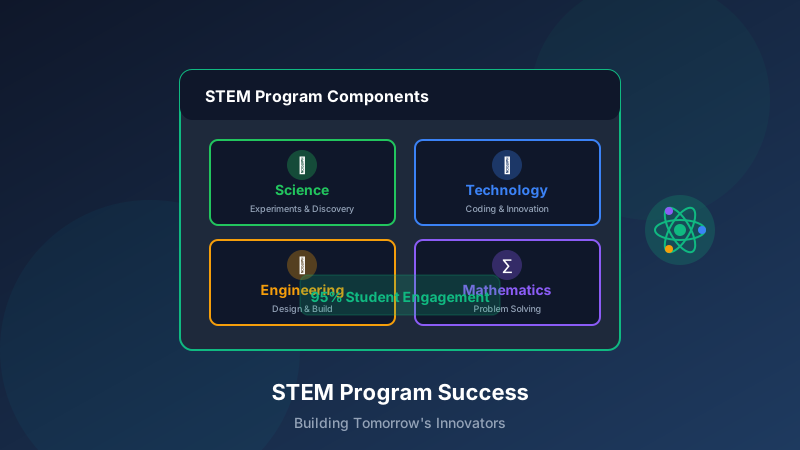
Young Explorers (K-2): Foundational concepts through playJunior Scientists (3-5): Hands-on projects and experimentsTech Creators (6-8): Coding, robotics, and engineering challengesProgram Structure
12-week sessions, 4 sessions per year90-minute weekly classesMaximum 12 students per classProgressive curriculum with returning student advancementDifferentiation Strategy
Focus on project-based, hands-on learningEmphasis on growth mindset and failure as learningIntegration of engineering design processShowcase events for families and communityCurriculum Selection
Riverside evaluated multiple curriculum options:
Options Considered:
Develop curriculum in-houseLicense existing curriculumHybrid approachDecision: Hybrid Approach
Licensed core robotics curriculum from established providerDeveloped supplemental activities in-houseCreated proprietary coding progressionAllowed customization while reducing development burdenPhase 2: Pilot Launch (Months 4-6)
Starting Small
Riverside began with a controlled pilot:
Pilot Scope
4 classes (one per age group plus one robotics intensive)40 total studentsOne instructor (hired STEM specialist)One room converted for STEM usePilot Goals
Test curriculum and pacingDevelop operational processesGather student and parent feedbackRefine pricing and positioningInstructor Hiring and Training
Finding the right instructor was critical:
Hiring Criteria
STEM background (education or professional)Experience working with childrenEnthusiasm for hands-on learningGrowth mindset orientationTraining Program
40 hours of curriculum-specific trainingClassroom management coachingEngineering design process methodologyAssessment and differentiation strategiesSpace and Equipment Setup
Converting existing space for STEM:
Room Modifications
Flexible tables for group workStorage for project materialsTechnology infrastructure (power, network)Display areas for student workInitial Equipment Investment
$15,000 in robotics kits$5,000 in science materials and consumables$8,000 in computers and tablets$2,000 in tools and safety equipmentPilot Results
The pilot provided valuable learnings:
Successes
95% student satisfaction scoresStrong parent feedback on hands-on approach85% of pilot students wanted to continueWaiting list developed for next sessionChallenges Identified
Pacing too fast for some younger studentsNeed for more intermediate robotics optionsParent communication about what students were learningStorage and organization of materialsAdjustments Made
Revised pacing for K-2 curriculumAdded "Level 2" robotics trackImplemented weekly parent updates via a parent engagement portalDesigned better material management systemPhase 3: Expansion (Months 7-18)
Scaling Up
Based on pilot success, Riverside expanded significantly:
Growth Plan
Year 1: 40 → 150 studentsYear 2: 150 → 280 studentsYear 3: 280 → 400 studentsStaff Expansion
Added 2 part-time STEM instructors in Year 1Hired full-time STEM Coordinator in Year 2Built team of 4 instructors by Year 3Curriculum Development
Continuous improvement of program content:
New Offerings Added
Summer STEM camps (one and two-week options)STEM birthday partiesSchool break workshopsCompetition preparation teamsCurriculum Enhancements
Created advanced tracks for returning studentsDeveloped original coding curriculumAdded engineering challenges and competitionsIntegrated real-world applications and careersSpace Expansion
Growing required more dedicated space:
Year 2 Renovation
Converted second room to STEM labAdded dedicated makerspace areaUpgraded technology infrastructureInstalled project display and showcase areaInvestment in Equipment
Expanded robotics kit inventoryAdded 3D printers and laser cutterUpgraded computers for coding classes managed through their classes and events systemBuilt competition-ready equipment setsMarketing and Community Building
Strategies that drove enrollment growth:
Showcase Events
End-of-session family showcasesCommunity maker fairsSchool demonstration visitsCompetition team performancesPartnerships
Local school enrichment programsLibrary STEM eventsCommunity center collaborationsCorporate sponsor relationshipsDigital Presence
STEM-focused social media contentParent testimonial videosStudent project portfoliosEmail newsletter with STEM tipsMeasuring Success
Student Outcomes
Tracking what matters most:
Skill Development
Pre/post assessments for each sessionEngineering design process mastery rubricsCoding skill progression trackingProblem-solving and persistence measuresEngagement Indicators
Class attendance rates (95%+ average)Returning student percentages (70% retention)Student Net Promoter ScoreCompetition participation and resultsBusiness Metrics
Financial sustainability was essential:
Revenue Growth
Year 1: $75,000Year 2: $180,000Year 3: $320,000Profitability
Break-even achieved in month 14Positive contribution margin by end of Year 1Program profitable by Year 2Strong margins funding continued investmentEfficiency Metrics
Student acquisition costRevenue per instructor hourEquipment utilization ratesClass fill ratesParent and Community Feedback
Regular assessment of stakeholder satisfaction:
Parent Surveys (Annual)
Overall program satisfactionPerceived value relative to costLikelihood to recommendSuggestions for improvementCommunity Recognition
Local media coverageSchool partnership expansionIndustry speaker invitationsAward nominationsLessons Learned
What Worked Well
Start with Customer Research
Understanding parent needs and preferences before designing the program prevented costly mistakes and ensured product-market fit.
Invest in Quality Instructors
The program's success depended on instructors who combined STEM expertise with child engagement skills. Hiring well was worth the investment.
Begin Small, Learn Fast
The pilot phase provided invaluable insights that shaped the full program. Mistakes were less costly at small scale.
Focus on Experience, Not Just Content
Students and parents valued the hands-on, project-based approach as much as the specific topics covered. The experience differentiated the program.
What Would Be Done Differently
Earlier Space Planning
Space constraints became a bottleneck during growth. Earlier investment in dedicated STEM space would have accelerated expansion.
More Systematic Documentation
As staff grew, the lack of documented procedures created challenges. Building systems earlier would have eased scaling.
Stronger Parent Education
Initially underestimated how much parents wanted to understand what students were learning. More robust communication from the start would have increased satisfaction.
Advice for Others
For Centers Considering STEM
Validate demand before investing - Don't assume interest; confirm it through researchStart smaller than you think - Pilot programs reveal issues you can't anticipateHire for enthusiasm and fit - STEM skills can be developed; passion cannotPlan for progression - Students who love your program will want to keep advancingBudget for equipment refresh - STEM materials wear out and technology evolvesCommon Pitfalls to Avoid
Overinvesting in equipment before validating program-market fitHiring instructors based only on STEM credentials without teaching abilityTrying to offer too many topics rather than doing a few wellUnderpricing to build enrollment (hard to raise prices later)Neglecting parent communication about learning outcomesConclusion
Building a successful STEM program from scratch required patience, investment, and continuous learning. Riverside's journey from idea to 400-student program took three years of dedicated effort. The keys to success were starting with customer research, investing in quality, learning from pilot programs, and maintaining focus on student experience.
For learning centers considering STEM programs, the opportunity is real and the path is proven. Start with clear goals, validate demand, begin small, learn fast, and grow deliberately. Managing a growing program requires the right tools—explore how a student management system can transform your learning center and how to build a branded education business that stands out. The rewards—for students, families, and your organization—are well worth the journey.