Flipped Classroom Models: Maximizing Face-to-Face Learning Time
The flipped classroom model inverts traditional instruction by moving direct teaching to at-home video content, freeing precious class time for active learning, practice, and personalized support. When implemented effectively in learning centers or virtual classroom settings, this approach transforms both homework and classroom experiences.
Understanding the Flipped Model
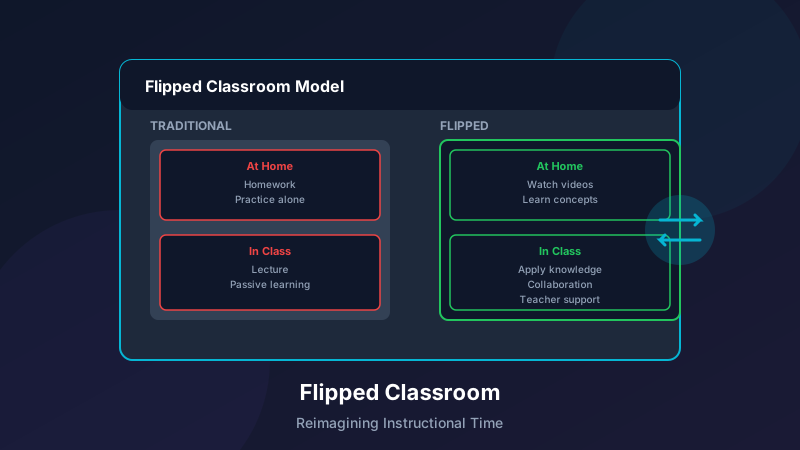
Traditional vs. Flipped
The fundamental shift in learning structure:
Traditional Approach
Class time: Teacher lectures, students listenHomework: Students practice alone, often struggleQuestions: Wait until next class or give upDifferentiation: Limited by time constraintsFlipped Approach
At home: Students watch instructional videos at own paceClass time: Practice with teacher support availableQuestions: Answered immediately during applicationDifferentiation: Personalized help during class timeWhy Flipping Works
The research behind the approach:
Active Learning: Class time shifts from passive to activeImmediate Feedback: Students get help when stuckSelf-Pacing: Learners control video playback speedRepeated Access: Instruction available for review anytimeDeeper Practice: More time for application and problem-solvingTypes of Flipped Content
Instructional Videos
The backbone of flipped learning:
Teacher-Created Content
Personalized to your curriculumReferences specific class examplesBuilds student-teacher connectionAddresses known misconceptionsCurated External Content
Khan Academy and similar resourcesProfessional instructional videosDocumentary and educational clipsExpert demonstrationsVideo Best Practices
Keep videos under 10 minutesFocus on one concept per videoInclude embedded questions or pausesProvide note-taking guidesInteractive Pre-Learning
Beyond passive video watching:
Guided Note Templates
Fill-in-the-blank structuresKey vocabulary identificationConcept mapping frameworksSelf-check questionsPre-Class Quizzes
Brief comprehension checksImmediate feedback providedIdentify confusion before classAccountability for completionDiscussion Prompts
Questions to ponder before classConnection to prior knowledgeReal-world application ideasPeer discussion preparationImplementing Flipped Learning
Phase 1: Planning
Prepare for successful flipping:
Content Selection
Identify concepts suited for video instructionChoose topics where class practice is valuableStart with one unit or topic areaBuild gradually from successful pilotsVideo Creation or Curation
Record or select instructional videosCreate accompanying materialsEstablish viewing expectationsSet up distribution methodIn-Class Activity Design
Plan active learning experiencesPrepare differentiated materialsDesign collaboration structuresCreate assessment strategiesPhase 2: Student Preparation
Help students succeed with the new model:
Explaining the Why
Share research on flipped effectivenessAddress common concerns upfrontSet clear expectations for both partsEmphasize benefits for studentsTeaching Video Watching Skills
Demonstrate active viewing strategiesPractice note-taking techniquesModel pausing and rewindingEstablish completion verificationBuilding Routines
Set consistent video assignment patternsCreate viewing schedules that workEstablish accountability systemsProvide technology supportPhase 3: In-Class Transformation
Maximize face-to-face time:
Warm-Up Activities
Quick video comprehension checkAddress common confusion pointsConnect to day's activitiesSet learning goalsActive Learning Stations
Practice problems with teacher supportCollaborative application tasksHands-on experimentationIndividual conferencing timeClosure and Extension
Summarize key learningPreview upcoming video contentAssign extension challengesCelebrate progress and effortEffective In-Class Strategies
Differentiated Support
Use class time for personalized help:
Station Rotation
Teacher-led small group instructionIndependent practice stationsCollaborative work areasTechnology-enhanced activitiesIndividual Conferencing
Brief one-on-one check-insTargeted skill supportProgress monitoringGoal-setting conversationsFlexible Grouping
Skill-based groups that changeInterest-based collaborationPeer tutoring partnershipsChallenge groups for extensionActive Learning Activities
Move beyond traditional practice:
Problem-Based Learning
Real-world scenario applicationStudent-driven investigationMultiple solution pathwaysPresentation and defenseCollaborative Projects
Team-based challengesRole distributionPeer accountabilityGroup reflectionSocratic Discussions
Deep concept explorationStudent-led questioningEvidence-based reasoningMultiple perspective considerationAssessment Integration
Evaluate learning effectively:
Formative Assessment
Exit tickets on day's learningQuick quizzes during stationsObservation during practiceSelf-assessment checkpointsPerformance Tasks
Apply learning to complex problemsDemonstrate mastery practicallyCreate products showing understandingPresent and explain thinkingAddressing Common Challenges
Technology Access
Ensure all students can participate:
Solutions for Limited Access
School computer lab time before/after schoolVideo download options for offline viewingDVD or USB versions for studentsAlternative reading assignmentsMobile-Friendly Content
Responsive video platformsShort segments for mobile viewingAudio-only options when helpfulData-conscious file sizesStudent Accountability
Ensure video completion:
Completion Verification
Embedded quiz questionsNote-taking requirementsDiscussion forum postsBrief written reflectionsIncentive Structures
Points for video completionIn-class privileges earnedProgress tracking visibilityRecognition for consistencyVideo Quality
Create engaging content:
Technical Tips
Good audio quality is essentialAdequate lighting for clarityScreen recording for demonstrationsSimple editing for polishEngagement Strategies
Conversational toneVisual varietyReal-world connectionsEnthusiasm and energyMeasuring Flipped Success
Student Learning Outcomes
Track academic impact:
Comparison of assessment scoresQuality of in-class workDepth of understanding demonstratedLong-term retention metricsStudent Engagement
Monitor participation and attitude:
Video completion ratesIn-class participation levelsStudent feedback surveysSelf-reported learning gainsEfficiency Metrics
Evaluate time use improvement:
More students helped individuallyIncreased practice timeReduced reteaching needsBetter use of teacher expertiseAdvanced Flipped Strategies
Student-Created Content
Empower learner leadership:
Students create tutorial videosPeer teaching assignmentsClass video library buildingCross-class content sharingFlipped Mastery
Combine flipping with mastery learning:
Self-paced video progressionMastery demonstration requirementsFlexible timeline for completionAdvanced content for early mastersParent Integration
Include families in flipped learning:
Parent video viewing guidesFamily discussion questionsAt-home support strategiesProgress visibility for parentsConclusion
The flipped classroom model, when implemented thoughtfully, transforms educational time into more productive, personalized, and engaging experiences. By moving direct instruction to video format, educators reclaim class time for what matters most: supporting students in applying, practicing, and mastering new concepts.
Success with flipping requires careful planning, quality content creation or curation, and redesigned in-class experiences that take full advantage of teacher presence. A robust LMS makes it easy to distribute video content and track student engagement before class. The investment pays dividends in deeper learning, better differentiation, and stronger student-teacher relationships built during meaningful face-to-face interactions.