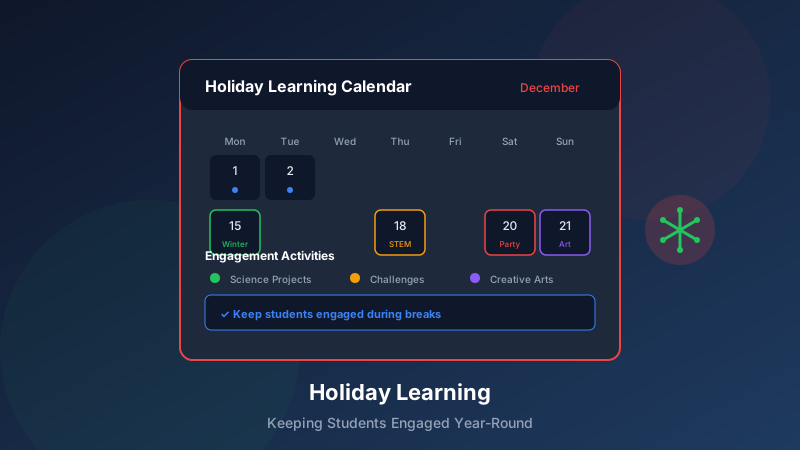
Holiday Learning Strategies: Keeping Students Engaged During Break
The holiday season presents a unique challenge for educators and parents at learning centers: how do you prevent learning loss while still allowing students the rest and family time they need? The key lies in finding the right balance between structured learning and enjoyable activities.
Understanding Holiday Learning Loss
The Research on Learning Gaps
Studies consistently show that extended breaks can lead to significant learning regression:
Students can lose up to two months of math skills over summerShorter winter breaks cause proportionally smaller but measurable lossesThe impact is greater for students who don't read regularlySkills requiring practice (like math facts) are most vulnerableWhy Holiday Breaks Are Different
Winter holidays present unique factors:
Family Focus: Students are engaged in celebrations and gatheringsTravel Disruptions: Routines are interrupted by trips and visitsExcitement and Distraction: Holiday anticipation makes concentration difficultShorter Duration: Two to three weeks is brief but still impactfulStrategies for Learning Centers
Pre-Break Preparation
Before students leave for break:
Skills Assessment: Identify areas where each student is vulnerable to regressionPersonalized Packets: Create optional take-home materials tailored to individual needsGoal Setting: Work with students to set realistic holiday learning goalsParent Communication: Share strategies with families for maintaining progressOptional Holiday Programs
Consider offering voluntary holiday activities:
Holiday Camps: Fun, themed learning experiences (coding for games, creative writing)Drop-In Sessions: Flexible times for students to come in and workVirtual Check-Ins: Brief online sessions to maintain connectionFamily Events: Holiday-themed learning activities for students and parents togetherDigital Learning Resources
Leverage technology for flexible holiday learning:
Assign optional adaptive practice through your learning platformCreate curated playlists of educational videosSet up discussion forums for students to share what they're learningUse gamified apps that make practice feel like playStrategies for Parents
Creating a Learning-Friendly Environment
Help parents set up for success:
Designate a quiet study space even during busy holiday periodsEstablish brief daily learning times (20-30 minutes)Keep learning materials accessible and visibleModel lifelong learning by reading and learning alongside childrenMaking Learning Fun and Festive
Connect learning to holiday activities:
Math: Calculate recipe measurements, create budgets for gift buyingReading: Explore books about holiday traditions around the worldWriting: Create holiday cards with personal messagesScience: Investigate the science of snow, candles, or cookingGeography: Map family members' locations or travel routesBalancing Rest and Enrichment
Parents should know that:
Quality trumps quantity—short, focused sessions beat long, distracted onesRest is essential for consolidating learningToo much pressure can create negative associations with learningSocial and emotional learning happens through family time tooAge-Appropriate Approaches
Elementary Students (K-5)
Focus on:
Reading aloud together daily (15-20 minutes)Math games and puzzlesCreative projects with holiday themesPhysical activity and outdoor explorationLimited screen time with educational contentMiddle School Students (6-8)
Encourage:
Independent reading of choice booksReal-world math applications (cooking, shopping, budgeting)Creative writing or journalingEducational documentaries and discussionsHobby exploration with learning componentsHigh School Students (9-12)
Support:
Self-directed learning projectsTest prep for upcoming standardized testsCollege exploration and researchSkill-building through online coursesVolunteer experiences that teach life skillsTechnology Tools for Holiday Learning
Gamified Learning Platforms
Apps that make learning feel like play:
Adaptive math and reading gamesVocabulary building through puzzlesScience simulations and experimentsLanguage learning apps with daily challengesProgress Tracking
Keep students motivated with:
Streak tracking for daily practiceAchievement badges and rewardsProgress visible to parents and teachersFriendly competition with classmatesParent Dashboard Access
Provide parents with:
Real-time progress monitoringSuggested activities based on student needsCommunication tools to reach teachers if neededResources for supporting learning at homeReturning from Break
Smooth Transitions Back
Plan for the return to regular instruction:
Schedule assessment sessions in the first week backPlan review activities before introducing new contentCelebrate students who maintained learning habitsAdjust instruction based on individual regression or progressLearning from the Experience
After each break:
Survey families about what workedTrack which students showed regressionRefine holiday learning recommendationsBuild successful strategies into future break preparationsConclusion
Holiday breaks don't have to mean learning loss. With thoughtful preparation, engaging resources, and balanced expectations, students can maintain their progress while still enjoying time with family. A mobile app that enables practice on the go makes it easy for students to stay engaged without feeling tied to a desk. The goal isn't to turn holidays into school—it's to weave learning naturally into the fabric of family life.