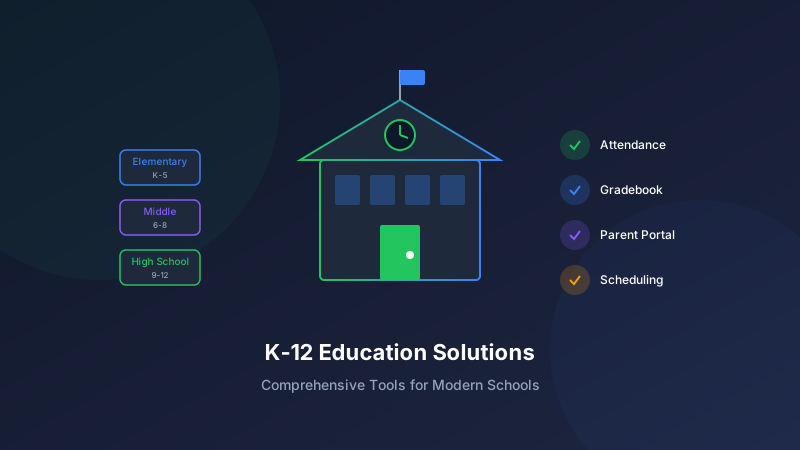
K-12 Education Technology: A Comprehensive Guide for Schools
K-12 schools face unique challenges when implementing technology. From varying age groups to diverse stakeholder needs, success requires careful planning and the right solutions. Understanding the benefits of white-labeling an education platform can help schools achieve consistency while keeping their own brand identity.
Understanding K-12 Technology Needs
Elementary School (K-5)
Young learners require:
Middle School (6-8)
Transitional learners need:
High School (9-12)
Preparing for future success:
Essential Technology Systems for K-12
1. Student Information System (SIS)
The core of school operations—read our comprehensive guide to choosing the right SIS:
2. Learning Management System (LMS)
Supporting instruction and learning—explore the evolution of LMS platforms to understand what modern systems offer:
3. Assessment and Testing
Measuring student learning:
4. Communication Platform
Connecting all stakeholders:
Implementation Best Practices
Stakeholder Engagement
Involve all parties in the process:
Professional Development
Teachers need training to succeed:
Phased Rollout
Don't try to do everything at once:
Addressing Common Challenges
Digital Equity
Ensure all students have access:
Data Privacy and Security
Protect student information:
Integration Complexity
Connect systems effectively:
Measuring EdTech Success
Track these outcomes:
Conclusion
K-12 education technology, when implemented thoughtfully, can transform the learning experience for students, support teachers in their work, and streamline operations for administrators. The key is selecting the right solutions and supporting successful adoption. See how technology can also improve teacher retention through better support, and explore solutions built specifically for schools.