The Role of Emotional Intelligence in Educational Leadership
Educational leadership demands more than operational expertise and academic knowledge. The most effective leaders in learning centers, schools, and educational organizations possess high emotional intelligence—the ability to understand and manage their own emotions while skillfully navigating the emotions of others.
Understanding Emotional Intelligence in Education
The EQ Framework
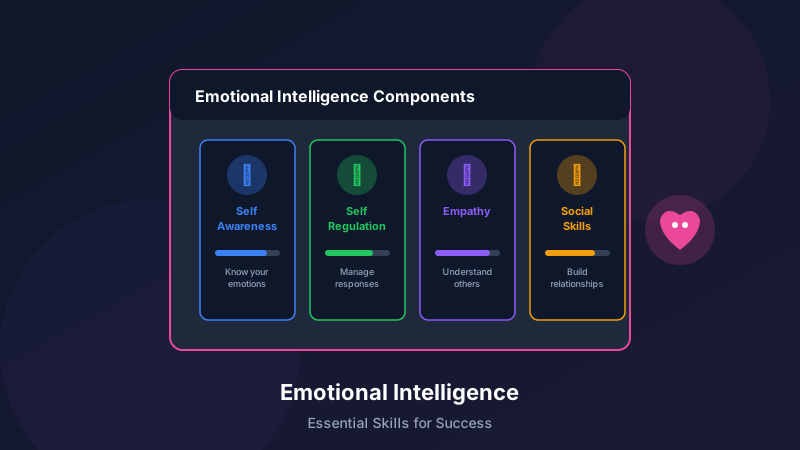
Emotional intelligence encompasses five key competencies:
Self-Awareness
Recognizing your own emotional statesUnderstanding how emotions affect behaviorKnowing personal strengths and limitationsMaintaining realistic self-assessmentSelf-Regulation
Managing disruptive emotions effectivelyMaintaining composure under pressureAdapting to changing circumstancesThinking before reactingMotivation
Pursuing goals with energy and persistenceMaintaining optimism despite setbacksCommitting to organizational excellenceTaking initiative proactivelyEmpathy
Sensing others' feelings and perspectivesTaking active interest in others' concernsAnticipating and meeting needsRecognizing emotional cuesSocial Skills
Building rapport and relationshipsCommunicating clearly and persuasivelyManaging conflict constructivelyInspiring and guiding individuals and groupsWhy EQ Matters in Education
Educational environments present unique emotional challenges:
High Stakes: Student success creates pressureDiverse Stakeholders: Multiple groups with different needsEmotional Labor: Constant relationship managementChange Complexity: Continuous adaptation requiredResource Constraints: Doing more with lessEQ Competencies for Education Leaders
Self-Awareness in Practice
Know yourself to lead others effectively:
Emotional Recognition
Notice when stress affects your demeanorIdentify triggers that cause frustrationRecognize enthusiasm and leverage itAcknowledge uncertainty without masking itImpact Awareness
Understand how your mood affects the teamRecognize when energy levels are contagiousNotice how your stress creates ripplesSee your reactions through others' eyesStrength and Limitation Clarity
Know what you do exceptionally wellAcknowledge areas needing developmentSurround yourself with complementary strengthsSeek feedback regularly and openlySelf-Regulation Strategies
Manage yourself to manage situations:
Pause Practices
Create space between stimulus and responseUse breathing techniques in tense momentsDelay important communications when emotionalSchedule reflection time into busy daysReframing Techniques
View challenges as opportunitiesConsider alternative explanationsFocus on what you can controlFind learning in difficult situationsEnergy Management
Recognize when you need breaksProtect time for renewalModel work-life boundariesMaintain physical wellnessMotivation as a Leader
Sustain drive in yourself and others:
Purpose Connection
Connect daily work to larger missionShare stories of student impactCelebrate progress toward goalsRemind teams why the work mattersResilience Building
Bounce back from setbacks visiblyShare how you overcome challengesNormalize struggle as part of growthMaintain optimism authenticallyGoal Orientation
Set ambitious but achievable targetsBreak large goals into milestonesTrack and communicate progressAdjust approaches without abandoning aimsEmpathy in Educational Leadership
Understand others deeply:
Active Listening
Give full attention without multitaskingAsk clarifying questionsReflect back what you hearSuspend judgment while listeningPerspective Taking
Consider situations from others' viewpointsUnderstand different stakeholder pressuresRecognize that behavior has reasonsAsk about concerns before assumingEmotional Attunement
Notice non-verbal emotional cuesSense team morale shiftsRecognize when someone is strugglingCreate safe spaces for sharingSocial Skills for Education Leaders
Build relationships and influence:
Communication Excellence
Adapt message to audienceBalance honesty with diplomacyDeliver difficult feedback constructivelyCelebrate successes publiclyConflict Management
Address tensions earlyFind common groundFacilitate resolution rather than dictateTurn conflicts into collaborationTeam Building
Create cohesion among diverse individualsFoster psychological safetyDevelop shared identityBalance individual and group needsApplying EQ to Common Leadership Challenges
Managing Difficult Conversations
Navigate sensitive discussions:
Preparation
Clarify your emotional state firstAnticipate others' reactionsPlan key points without scriptingChoose appropriate time and settingDuring the Conversation
Stay curious rather than defensiveAcknowledge emotions without dismissingFocus on behavior and impact, not characterSeek understanding before solutionsFollow-Through
Check in after time has passedMonitor for relationship repairAdjust approach based on learningDocument agreements clearlyBuilding Team Culture
Create emotionally healthy environments:
Psychological Safety
Model vulnerability by sharing challengesRespond to mistakes with curiosityEncourage questions and dissentProtect those who speak upRecognition Practices
Notice and acknowledge good workProvide specific, timely appreciationCelebrate team and individual winsCreate peer recognition opportunitiesConnection Building
Make time for relationship developmentLearn about team members as peopleCreate informal interaction opportunitiesBuild bridges across differencesNavigating Change
Lead transitions with emotional awareness:
Acknowledge Emotions
Recognize that change triggers feelingsCreate space for concernsValidate emotions without agreeingDon't rush through emotional processingCommunicate Consistently
Explain the why repeatedlyProvide clear timelines and expectationsUpdate frequently even when there's no newsBe honest about unknownsSupport Through Transition
Provide resources for adjustmentRecognize different adaptation speedsCelebrate early adoptersPatiently support resistersDeveloping Your Emotional Intelligence
Self-Assessment
Know your starting point:
Complete EQ assessmentsSeek 360-degree feedbackReflect on recurring patternsIdentify development prioritiesDevelopment Strategies
Grow your EQ intentionally:
Mindfulness Practice
Regular meditation or reflectionPresent-moment awarenessNon-judgmental observationBody awareness trainingJournaling
Daily emotional check-insIncident analysis and learningPattern recognitionProgress trackingCoaching and Feedback
Work with an executive coachRequest regular feedbackAct on feedback receivedBuild accountability partnershipsBuilding EQ in Your Organization
Create an emotionally intelligent culture:
Hiring Practices
Assess EQ in interviewsInclude scenario-based questionsCheck references for EQ indicatorsValue EQ alongside technical skillsProfessional Development
Provide EQ training opportunitiesInclude EQ in leadership developmentModel EQ from the topRecognize EQ excellenceSystems and Structures
Create feedback mechanismsBuild reflection into routinesReward collaboration and supportAddress emotional toxicity promptlyMeasuring EQ Impact
Individual Indicators
Signs of growing emotional intelligence:
Better relationships with stakeholdersMore effective difficult conversationsReduced personal stress levelsImproved team feedbackOrganizational Metrics
EQ impact on the organization:
Employee retention and engagementConflict resolution effectivenessCulture and climate survey resultsStakeholder satisfaction scoresConclusion
Emotional intelligence is not a "nice to have" for educational leaders—it's essential for effectiveness. The complex, relationship-intensive nature of education demands leaders who understand themselves, manage their reactions, stay motivated, empathize with others, and build strong relationships.
The good news is that emotional intelligence can be developed. Through intentional practice, feedback, and reflection, educational leaders can enhance their EQ competencies and create more positive, productive learning environments for students, staff, and families alike.
Leaders who invest in their emotional intelligence find that every aspect of their work improves: from difficult conversations to team building, from change management to stakeholder relationships. Tools like staff management platforms can support this work by providing data on team performance and engagement. In education, where everything happens through relationships, EQ is the foundation of leadership success.