Creating Inclusive Learning Environments for Neurodiverse Students
Neurodiversity—the natural variation in human brain function—encompasses conditions like autism, ADHD, dyslexia, and many others. Creating truly inclusive learning environments requires understanding these differences and designing experiences that allow all students to thrive.
Understanding Neurodiversity
The Neurodiversity Paradigm
A shift in perspective:
Traditional View
Neurological differences as deficitsFocus on "fixing" or "curing"Separate accommodations as exceptionsAssumption of normal/abnormalNeurodiversity Perspective
Neurological differences as natural variationFocus on support and accommodationUniversal design as standardRecognition of diverse strengthsCommon Neurodiverse Conditions
Understanding different profiles:
Autism Spectrum
Differences in social communicationSensory sensitivitiesFocused interestsPreference for routineADHD
Attention regulation challengesHyperactivity or impulsivityDifficulty with executive functionOften creative and high energyDyslexia
Reading and decoding challengesOften strong oral skillsVisual-spatial strengths commonRequires alternative reading approachesDyscalculia
Math concept difficultiesNumber sense challengesOften strong verbal skillsBenefits from concrete representationsRecognizing Strengths
Neurodivergent advantages:
Pattern recognition abilitiesDeep focus on interestsCreative problem-solvingUnique perspectivesAttention to detailHonest communicationEnvironmental Design
Sensory Considerations
Creating comfortable spaces:
Lighting
Natural light when possibleAdjustable lighting optionsReduced fluorescent flickerTask lighting availabilitySound
Acoustic treatments to reduce echoQuiet zones availableNoise-canceling headphone accessPredictable sound environmentVisual Environment
Reduced visual clutterOrganized, predictable spacesClear wayfindingCalm color palettesMovement Options
Flexible seating choicesStanding desk availabilityFidget tools providedMovement breaks normalizedFlexible Seating
Meeting diverse needs:
Options to Offer
Traditional desks and chairsStanding desksStability ballsFloor seatingWobble stoolsBean bags or soft seatingImplementation Tips
Allow student choiceTeach appropriate useRotate if neededRespect preferencesSensory Supports
Tools for regulation:
Calming Tools
Weighted itemsNoise-reducing headphonesFidget objectsComfort itemsSensory Spaces
Quiet retreat areasReduced stimulation zonesMovement spacesSelf-regulation cornersInstructional Strategies
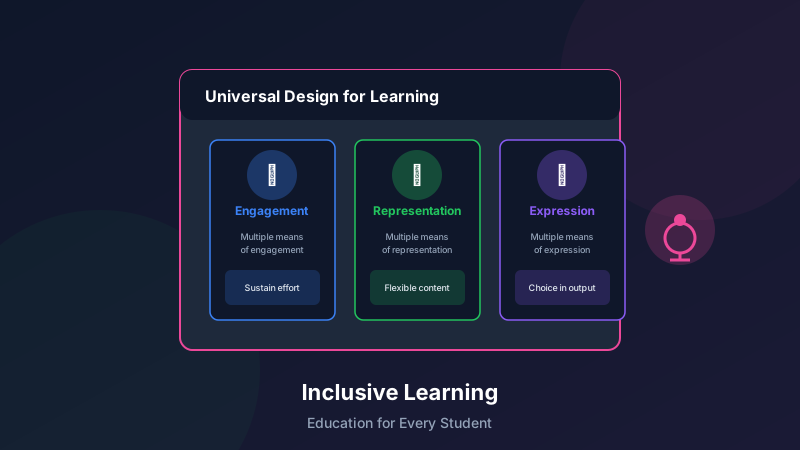
Universal Design for Learning
Designing for all from the start:
Multiple Means of Engagement
Choice in topics and approachesConnection to student interestsVaried challenge levelsCollaborative and independent optionsMultiple Means of Representation
Visual, auditory, and text formatsConcrete and abstract representationsBackground knowledge activationVocabulary and concept supportMultiple Means of Action and Expression
Varied assessment optionsTechnology tools availableSupports for executive functionDifferent ways to demonstrate learningClear Structure and Expectations
Predictability supports learning:
Routines
Consistent daily schedulePredictable transitionsVisual schedules postedAdvance notice of changesInstructions
Clear, step-by-step directionsWritten and verbal deliveryCheck for understandingExamples providedExpectations
Explicit behavioral expectationsConsistent follow-throughPositive framingIndividual accommodations as neededDifferentiated Instruction
Meeting individual needs:
Content Differentiation
Varied reading levelsDifferent entry pointsBackground buildersExtension materialsProcess Differentiation
Learning preference optionsPace adjustmentsSupport levels variedGrouping flexibilityProduct Differentiation
Multiple assessment formatsChoice in demonstrationVarious complexity levelsPersonal interest connectionsExecutive Function Support
Building organizational skills:
Planning Supports
Visual planning toolsTask breakdown assistanceChecklists providedTime estimation helpOrganization Supports
Clear systems for materialsRegular organization timeColor-coding optionsDigital organization toolsTime Management Supports
Visual timersTime warningsPacing remindersBreak schedulingSocial-Emotional Supports
Building Understanding
Fostering inclusive community:
Neurodiversity Education
Age-appropriate discussionsEmphasis on differences as strengthsPersonal stories shared (with consent)Challenge stereotypesEmpathy Building
Perspective-taking activitiesDiscussion of different experiencesModeling respect and acceptanceAddressing misconceptionsPeer Support Structures
Buddy systemsCollaborative learningInclusive group workFriendship facilitationSelf-Advocacy Development
Empowering students:
Self-Awareness
Understanding own learning profileRecognizing strengths and challengesIdentifying helpful strategiesKnowing when to ask for helpCommunication Skills
Expressing needs appropriatelyRequesting accommodationsCommunicating with teachersSelf-advocating in groupsSelf-Regulation
Recognizing emotional statesUsing coping strategiesRequesting breaks when neededManaging sensory experiencesSpecific Supports by Profile
Supporting Autistic Students
Targeted strategies:
Communication
Clear, literal languageVisual supports for verbal informationProcessing time allowedSocial expectations made explicitSensory
Sensory profile assessmentEnvironmental modificationsBreak accessSensory tools availableSocial
Explicit social skills teachingStructured peer interactionsInterest-based connectionsSocial scripts when helpfulTransitions
Advance notice of changesVisual schedulesTransition warningsFamiliar objects or routinesSupporting Students with ADHD
Targeted strategies:
Attention
Frequent check-insChunked assignmentsMovement opportunitiesReduced distractionsImpulsivity
Clear behavior expectationsPrivate cueing systemsCool-down optionsPositive reinforcement focusOrganization
External organizational supportsRegular clean-out timesAssignment tracking systemsHomework routinesEnergy
Movement breaksActive learningHands-on activitiesPhysical fidget optionsSupporting Students with Dyslexia
Targeted strategies:
Reading
Text-to-speech technologyAudiobooksStructured literacy instructionExtra time for reading tasksWriting
Speech-to-text optionsGraphic organizersSpelling supportsDictation allowedAssessment
Oral testing optionsExtended timeReduced reading loadAlternative demonstrationsFamily Partnership
Collaborative Relationships
Working together:
Information Sharing
Regular communicationProgress updatesStrategy sharingConcern addressingFamily Expertise
Parents know their child bestValue family insightsInclude in planningRespect cultural contextConsistent Approaches
Home-school strategy alignmentShared language and expectationsCollaborative problem-solvingUnified supportStaff Development
Building Capacity
Ongoing learning:
Training Areas
Neurodiversity awarenessSpecific strategy instructionAccommodation implementationCollaboration skillsLearning Formats
Professional development sessionsPeer coachingResource sharingExpert consultationOngoing Support
Regular strategy reviewProblem-solving sessionsSuccess sharingContinuous improvement focusMeasuring Inclusive Success
Student Indicators
Signs of effective inclusion:
Academic progress for allPositive self-perceptionSense of belongingSelf-advocacy developmentPeer relationshipsEnvironment Indicators
Organizational effectiveness:
Staff confidence in supporting all learnersProactive rather than reactive accommodationsUniversal design implementationPositive school climateConclusion
Creating inclusive environments for neurodiverse students benefits everyone. The flexible, supportive, and well-designed learning spaces that help neurodivergent students thrive also enhance learning for all students. Universal design, clear structures, and individualized supports create educational experiences where every learner can access their potential.
True inclusion goes beyond accommodation—it requires recognizing and valuing the unique strengths and perspectives that neurodiverse students bring. A robust student information system can help educators track individual accommodations and progress. By designing with diversity in mind from the start, learning centers create communities where all students belong and can succeed.
The journey toward full inclusion is ongoing, requiring continuous learning, adaptation, and commitment. But the reward—a learning environment where every student's differences are respected and supported—is worth every effort.