Building a Culture of Continuous Learning in Education Organizations
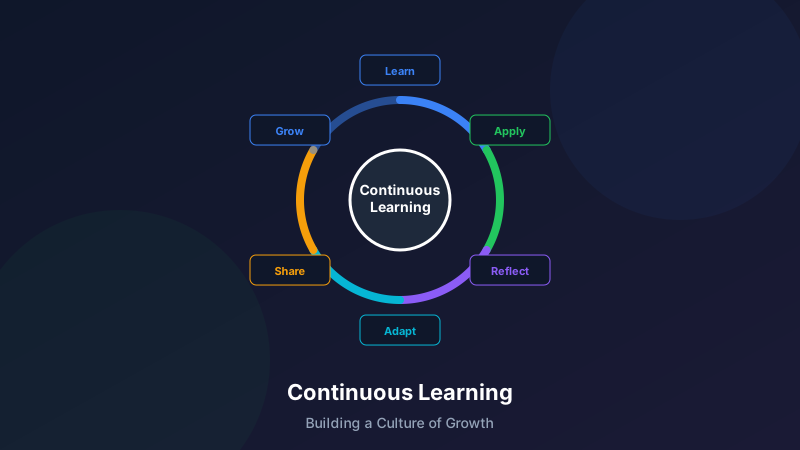
Education organizations exist to help students learn—but the most effective ones are filled with adults who are learning too. A culture of continuous learning drives innovation, improves outcomes, and keeps your best people engaged and growing—whether you run a single learning center or a multi-location franchise.
Why Learning Culture Matters
The Case for Continuous Learning
Organizations that prioritize learning experience:
Better Outcomes: Staff who keep learning deliver better resultsHigher Retention: Professionals stay where they can growGreater Innovation: Learning cultures generate new ideasIncreased Adaptability: Continuous learners navigate change betterStronger Reputation: Learning organizations attract talentThe Paradox of Education Organizations
Ironically, education organizations don't always model learning well:
Professional development is often compliance-drivenLittle time is allocated for reflection and growthInnovation is discouraged by rigid structuresLearning is seen as individual, not organizationalLeadership development is often neglectedCreating Real Change
Building learning culture requires:
Leadership commitmentStructural changesResource allocationMindset shiftsSustained effortCharacteristics of Learning Organizations
1. Shared Vision
Everyone understands and commits to:
Why continuous learning mattersWhat the organization is trying to achieveHow each person contributesWhere growth opportunities exist2. Psychological Safety
People feel safe to:
Take risks and try new approachesAdmit mistakes and learn from themAsk questions and seek helpChallenge established practicesShare ideas without fear of judgment3. Collaborative Inquiry
Learning happens together through:
Peer observation and feedbackCollaborative problem-solvingShared reflection on practiceTeam-based improvement projectsCross-functional learning4. Knowledge Sharing
Information flows freely:
Best practices are documented and sharedExpertise is accessible across the organizationNew learning is disseminated widelySystems capture and preserve knowledge5. Time and Resources
Learning is prioritized with:
Protected time for professional learningBudget for development activitiesAccess to learning resourcesSupport for experimentationStrategies for Building Learning Culture
Start with Leadership
Leaders model and support learning:
Visible Learning:
Share your own learning journeyBe open about what you don't knowTry new things and debrief outcomesRead, reflect, and discuss ideasStructural Support:
Allocate time for professional learningProvide resources and budgetRemove barriers to experimentationReward growth and improvementCoaching Approach:
Ask more than tellDevelop others' capabilitiesProvide growth opportunitiesGive constructive feedbackCreate Learning Structures
Build learning into the organization:
Learning Communities:
Professional learning communities (PLCs)Department or grade-level teamsCross-functional learning groupsInterest-based cohortsRegular Practices:
Weekly learning timeMonthly professional developmentQuarterly deep divesAnnual learning planningKnowledge Systems:
Document best practicesShare learnings across teamsCapture institutional knowledgeMake resources accessibleDevelop Professional Learning Programs
Move beyond traditional PD:
Job-Embedded Learning:
Observation and feedback cyclesAction research projectsLesson study groupsCollaborative planningPersonalized Pathways:
Individual growth plansChoice in learning topicsVaried learning modalitiesSelf-directed learning optionsExternal Connections:
Conference attendanceProfessional networksUniversity partnershipsOnline learning communitiesFoster Innovation
Create space for experimentation:
Safe-to-Fail Experiments:
Small-scale pilotsTime-boxed trialsLearning focus (not just success)Systematic reflectionInnovation Time:
Protected time for creative workResources for experimentationCelebration of learning from failurePathways to scale successOvercoming Common Barriers
"We Don't Have Time"
Reality Check: Time invested in learning saves time later through improved effectiveness.
Solutions:
Audit current use of meeting timeReplace low-value activities with learningBuild learning into existing structuresProtect learning time as non-negotiable"Our People Resist Change"
Reality Check: Resistance often stems from past negative experiences with "PD."
Solutions:
Make learning relevant to real challengesGive voice and choice in learning topicsModel vulnerability and growth yourselfCelebrate and reward improvement"We Can't Afford It"
Reality Check: Learning culture is more about mindset and structure than budget.
Solutions:
Leverage internal expertiseUse free and low-cost resourcesRepurpose existing budget itemsCalculate ROI of learning investment"Leadership Doesn't Support It"
Reality Check: Start where you have influence and build from there.
Solutions:
Create learning culture in your own teamDocument and share successesBuild coalition of learning advocatesConnect learning to organizational prioritiesPractical Implementation Ideas
For Learning Center Owners
Weekly:
Staff meeting with learning componentObservation and feedback for instructorsReflection time built into scheduleMonthly:
Deep dive into a teaching strategyBook or article discussionProblem-solving workshopQuarterly:
External professional developmentTeam learning project milestone reviewLearning culture pulse checkAnnually:
Individual professional growth planningOrganization-wide learning prioritiesLearning culture assessmentFor Instructors and Teachers
Daily:
Reflection on what worked and whyQuick peer conversations about practiceAttention to student learning as feedbackWeekly:
Collaborative planning sessionsPeer observation or video reviewReading and resource explorationMonthly:
Formal professional learningCross-team sharing sessionsPersonal learning goal check-inFor Teams
Learning Community Rhythm:
Weekly: Brief check-in and sharingBi-weekly: Focused learning sessionMonthly: Deeper exploration of topicQuarterly: Assessment and planningMeasuring Learning Culture
Survey Indicators
Ask about:
Psychological safetyTime for learningLearning resourcesPeer collaborationLeadership supportInnovation encouragementBehavioral Indicators
Observe:
Frequency of learning conversationsExperimentation and innovation attemptsKnowledge sharing practicesCollaboration patternsResponse to feedbackOutcome Indicators
Track:
Staff retention and engagementInnovation and improvement initiativesStudent outcome improvementsProblem-solving effectivenessAdaptation to changeCase Study: Transforming Learning Culture
Organization: A multi-location tutoring center
Starting Point:
Professional development was annual and compliance-focusedStaff felt isolated and unsupportedInnovation was rareTurnover was highInterventions:
Established weekly learning communitiesLaunched peer observation programCreated innovation fund for experimentsLeadership modeled learning openlyProtected time for professional growthResults (After One Year):
Staff retention improved 35%Student outcomes increased 20%Three successful innovations scaledStaff satisfaction scores rose significantlyReputation as employer of choice grewSustaining Learning Culture
Making It Stick
Long-term success requires:
Embedding learning in evaluation and recognitionConnecting learning to advancementCelebrating learning publiclyBuilding learning into every roleContinuously refreshing approachesAdapting Over Time
Learning culture evolves:
Assess regularly and adjustRespond to changing needsIncorporate new tools and approachesStay connected to external developmentsRenew commitment periodicallyConclusion
Building a culture of continuous learning is both a competitive advantage and an ethical obligation in education. When the adults in an organization are always learning, they model what they want students to become—and they get better at helping students grow.
Start small, be consistent, model the way, and watch your organization transform into a place where everyone is learning, every day. Staff management tools can help track professional development progress and identify growth opportunities for your team.